Working on a construction project
Site supervisors, leading hands, and trades manage safety, quality, and sequencing through clear responsibilities. Worker ownership changes how projects are selected, developed, and rewarded:
- Members assess land purchases and vote under agreed processes.
- Experienced members estimate costs and likely sale prices before members approve projects.
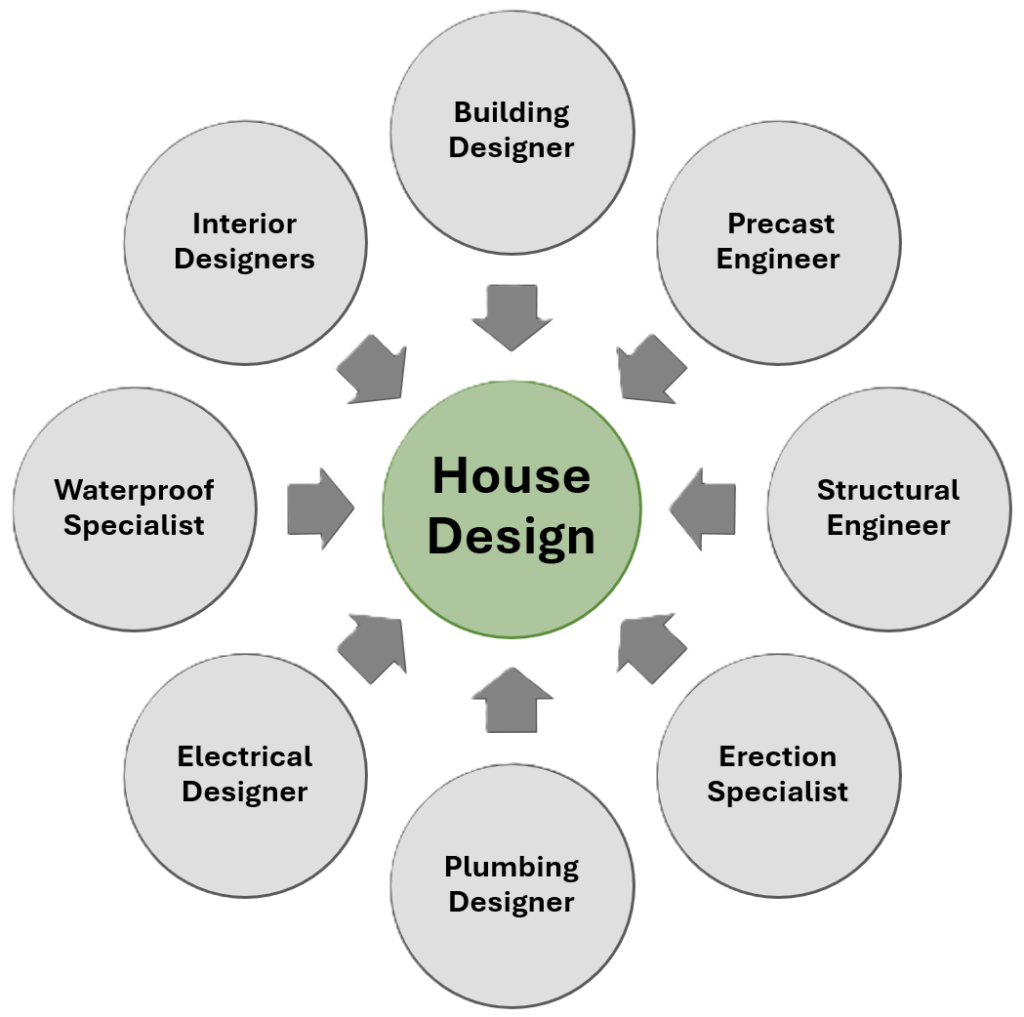
- Trades contribute to designs and coordination.
- The crew benefits from efficient work, fewer defects and a strong reputation.
- Available surplus is distributed under the rules after costs and reserves.
Making business decisions
- General meetings: Members decide strategy, major investments, surplus distribution, and rule changes.
- Equal voting: Each member has one vote, whether a labourer, builder, or accountant.
- Elected board: Oversees governance, compliance, and the business between meetings. A majority are working members.
- Delegated authority: Supervisors and other responsible roles handle day-to-day decisions.
Managing interpersonal conflict
The most important thing is to catch problems early, keep discussions about work, and use a fair, clear process that everyone knows.
- Member compact with rules about treating everyone with respect.
- Protect people who speak up and no retaliation for raising concerns.
- Clear jobs, responsibilities, pay, rosters, and decisions to avoid arguments over confusion.
- Daily toolbox talks and weekly check-ins to raise issues and address problems early.
- Private chats soon after clashes to resolve issues and make needed changes.
- Neutral facilitators if crew members cannot sort it out themselves.
- Serious issues, repeated problems, or harassment escalated to an outside mediator.
Measuring success
We’ll track financial viability alongside quality, safety, building performance and member outcomes:
- Project costs, margins, and construction time.
- Defects, rework and, material waste.
- Safety, energy, and water performance.
- Member retention, training, and work retained within the membership.
- Customer satisfaction.